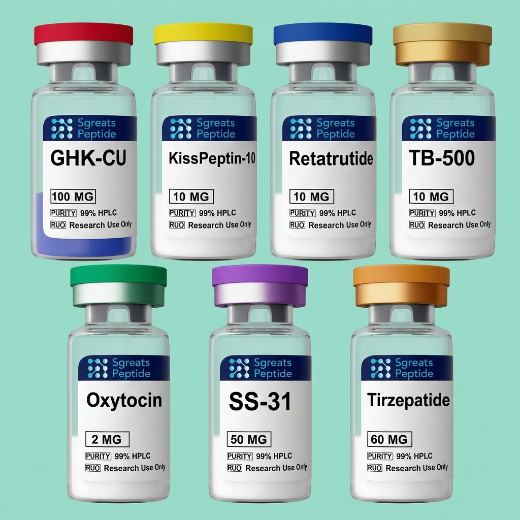

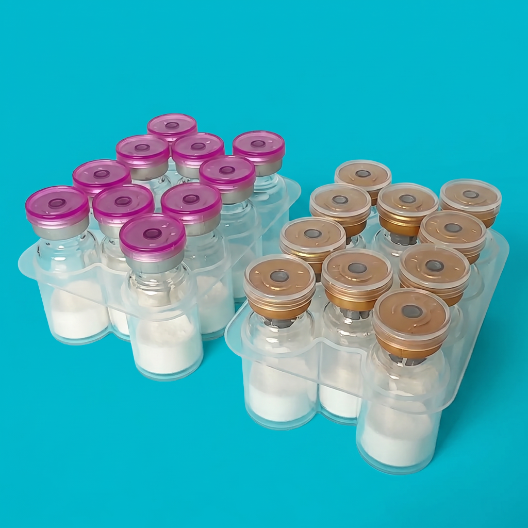

Research Peptide Vials
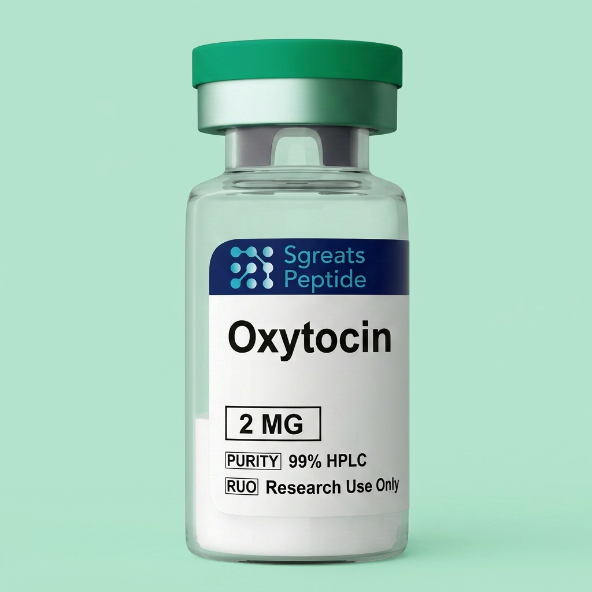
Oxytocin
Oxytocin (OT) is a type of uterine contraction drug and can be derived from the animal posterior pituitary or chemically synthesized. Oxytocin is a uterine contraction drug that is mostly used in late pregnancy induction and stagnant birth due to weak uterine contractions. Suitable for inducing labor and alleviating pain. Commonly used with ergot preparations to be used in inducing labor, expediting labor, and in uterine bleeding due to weak uterine contractions following birth or still birth. Nose drops can be used to promote lactation.
Product Name: | Oxytocin |
Synonyms: | (1-hemicystine)-oxytocin;3-isoleucine-8-leucinevasopressin;atonino;cyclic(1-6)-di///;di-sipidin;endopituitrina;glycinamide,l-cysteinyl-l-tyrosyl-l-isoleucyl-l-glutaminyl-l-asparaginyl-l-cys;nobitocins |
CAS: | 50-56-6 |
MF: | C43H66N12O12S2 |
MW: | 1007.19 |
EINECS: | 200-048-4 |
Product Categories: | Research Peptide |
Oxytocin is a nonapeptide hormone primarily synthesized in magnocellular neurons of the paraventricular and supraoptic nuclei of the hypothalamus. It is known best for its role in stimulating uterine contraction and lactation and is important for social memory and attachment, sexual and maternal behavior, and aggression. Also, it has been implicated in various non-social behaviors, including learning, anxiety, feeding, and pain perception.